


So, you’re interested in organic cotton. Same! It’s one of the first and easiest switches I made when it came to my fashion purchases, and also across my beauty products too.
If you think back a couple of years ago, organic cotton was quite popular – high street retailers were coming out with new organic fashion ranges by the dozen. And while they were more expensive than “normal” pieces of clothing – as is the way for most organic products – it seemed like a step in the right direction.
But since writing this post in 2015 (yes, hi, it’s 2026 Besma here editing this post) it seems many fashion brands believe switching to organic cotton suddenly makes them a sustainable fashion brand. And sadly, that’s just not the case.
What’s The Difference Between Cotton & Organic Cotton?
Organic cotton is essentially cotton that has been grown without the use of pesticides, herbicides, or any other chemicals. This is the main difference between cotton and organic cotton, but it has two main benefits:
- By avoiding crop spraying, nearby plants and wildlife go unaffected
- People working with cotton are not exposed to harsh chemicals and known human carcinogens used in pesticides
On top of this, organic cotton avoids triggering allergies, eczema, and often uses less water during processing, while securing habitat for wildlife and the wellbeing of cotton workers. It’s for these reasons that I have been actively seeking out organic options for anything cotton-based – beauty, fashion, or otherwise.
But in essence, organic cotton is actually more of a benefit to the farmers and wildlife, than the person purchasing the product. (But this isn’t the case with all organic products – for organic foods, check out my guide to the dirty dozen and clean fifteen, showing which are the best to get for health reasons).
Organic Cotton: Not All That Sustainable?
In my guide to sustainable fabrics, organic cotton is one of the first fabrics I mention. It’s definitely a better alternative to regular cotton, but did you know that cotton is still quite a harmful plant on the planet?
In essence, it’s actually a misnomer to label organic cotton as sustainable, because it takes SO MUCH WATER to produce. A simple white t-shirt and a pair of jeans can take 20,000 litres of water to make – that’s 13 years of drinking water!
The growth of cotton for clothes has been known to cause environmental disasters such as the draining of the Aral Sea.
6 Marks That Certify Sustainable Organic Cotton
While I don’t think organic cotton is the be-all-and-end-all of sustainable fashion, I do think it’s a start. I recognise that it was one of the first things I focused on when I switched to ethical fashion, and I was purchasing it from high street stores that I have since moved away from.
If you are looking for cotton-based garments that are more sustainable, I would recommend looking for the following certifications, ranked in order:
- GOTS-certified organic cotton. This is the gold-standard of organic certification, and applies to other organic materials too.
- Fairtrade mark, which guarantees ethical treatment of cotton farmers.
- Cradle-to-cradle certification, which proves true circularity, care for people and planet.
- Closed-loop water systems that reduce water usage and wastage.
- 100% organic cotton composition (aka, a mono-material garment).
- Better Cotton Initiative mark, which promotes more sustainable farming but is quite loose in its work.
9 of the Best UK Brands for Organic Cotton Fashion
When it comes to fashion, there are plenty of brands using organic cotton. However, some brands are more sustainable than others! So here’s a list of the brands I recommend, who go further than using sustainable materials and also care about people in their supply chains too:
Beaumont Organic*: One of my favourite brands for flowing dresses and comfy sweatshirts!
Kings of Indigo*: Contemporary clothing made well and made with better materials.
Ninety Percent*: Modern, elevated basics with the occasional fancy twist.
Nomad’s Clothing: Bohemian styled clothing made with better materials.
PLAINANDSIMPLE: Organic basics for men, women, everyone. Read my full review →
Rapanui*: Wardrobe essentials, made on-demand and with certified organic cotton.
Seasalt*: Pretty printed tops, dresses, and accessories.
Thought*: Contemporary fashion with an eco twist – and check out their socks!
Yes Friends*: Denim and cotton clothing at very reasonable prices.
P.S. Looking for better denim brands? Check out my guide to sustainable denim and jeans!
A Note on Beauty & Period Products
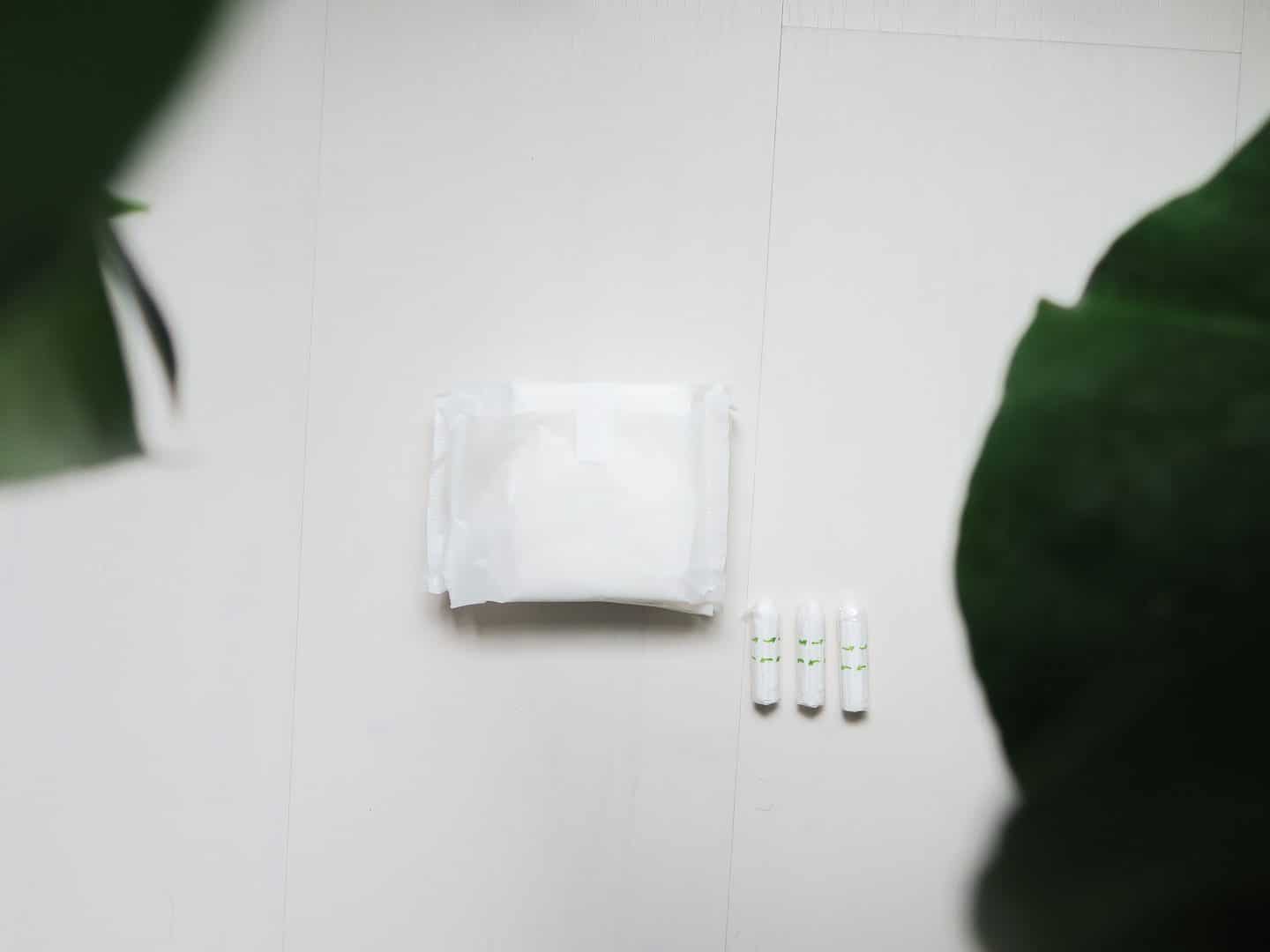
One item that I really consider essential is organic period products. Did you know that most tampons and pads are made from plastic?!
In this case, organic cotton products are an incredibly sustainable switch. Not only are you avoiding putting plastic against or into your body on a monthly basis (if you experience periods), but you’re ensuring that your used products break down over time, rather than sit for 100s of years in landfill.
If you’re looking to switch to more sustainable period products, I recommend TOTM* or Grace & Green, who you can order from online (or set up a subscription so you never have to worry about periods again!) Alternatively, you could try a menstrual cup (read my honest review of my Mooncup).
And for things such as cotton pads, cotton buds, and whatever else you use – look for reusables! I honestly wouldn’t be without my reusable rounds!
Disclaimer: This post contains affiliate links (denoted '*')
